
EditorTimestriderSpace plays · scrolls the page
Timestrider
- Project Summary: A self guided tour app that allows a users to see historical facts of buildings in historic towns across the nation.
- Project Type: School Project
- Timeline: 9 weeks
- Constraints: Time
- Team Member(s): 1
- Contributions: Ideation, Research, Prototyping, Testing
- Unique Factor: AR functionality allowing a immersive experience while touring a town.
Prototype Feedback
BEA Festival Committee
March 2020
"I really liked this app, very clean and current to what is an effective use of AR. I think the app is approachable to a wide set of people and based on what I saw, it was easy to use and the UX was relatively smooth."
Finding The People (Who? What? and Why?)
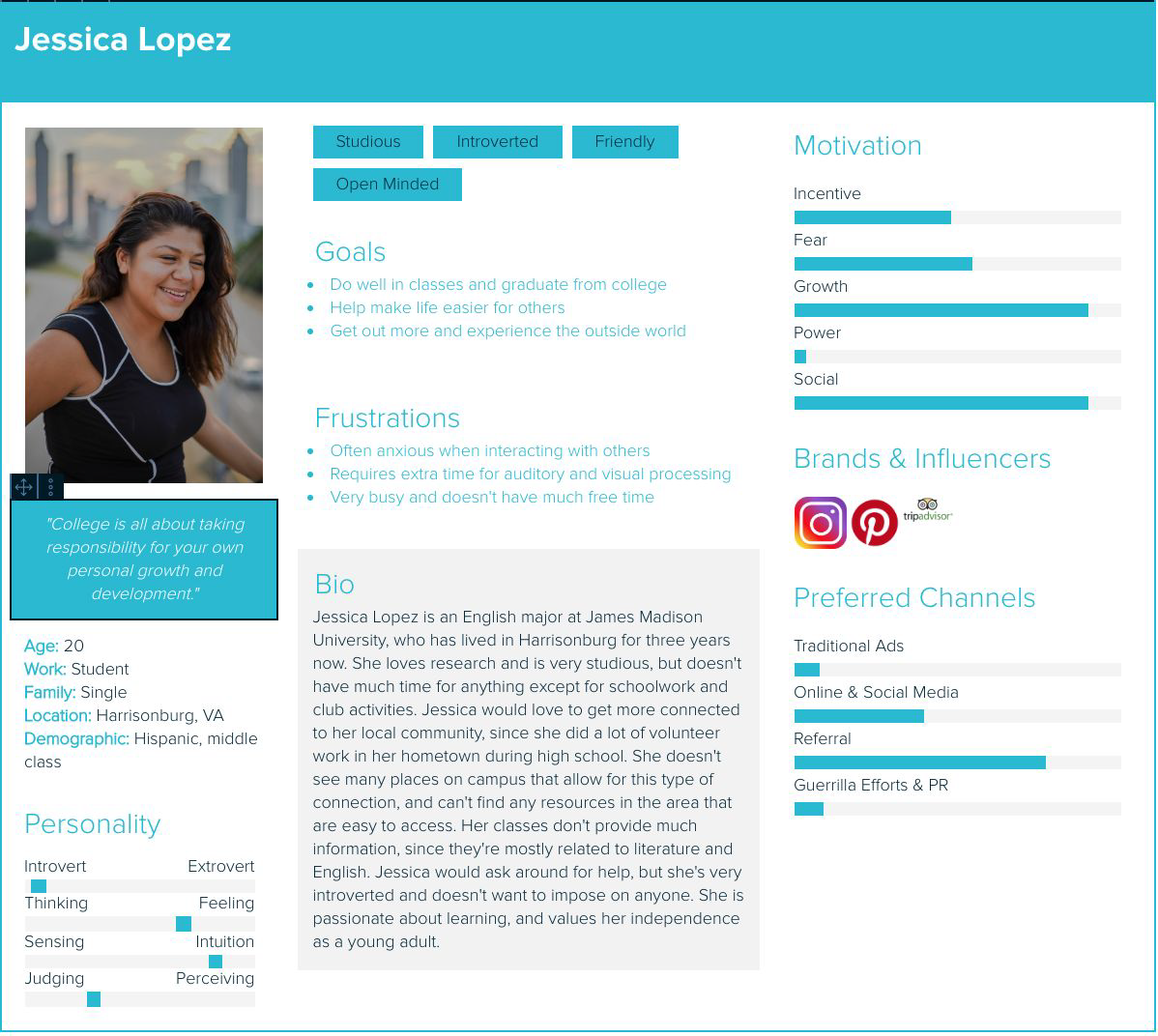
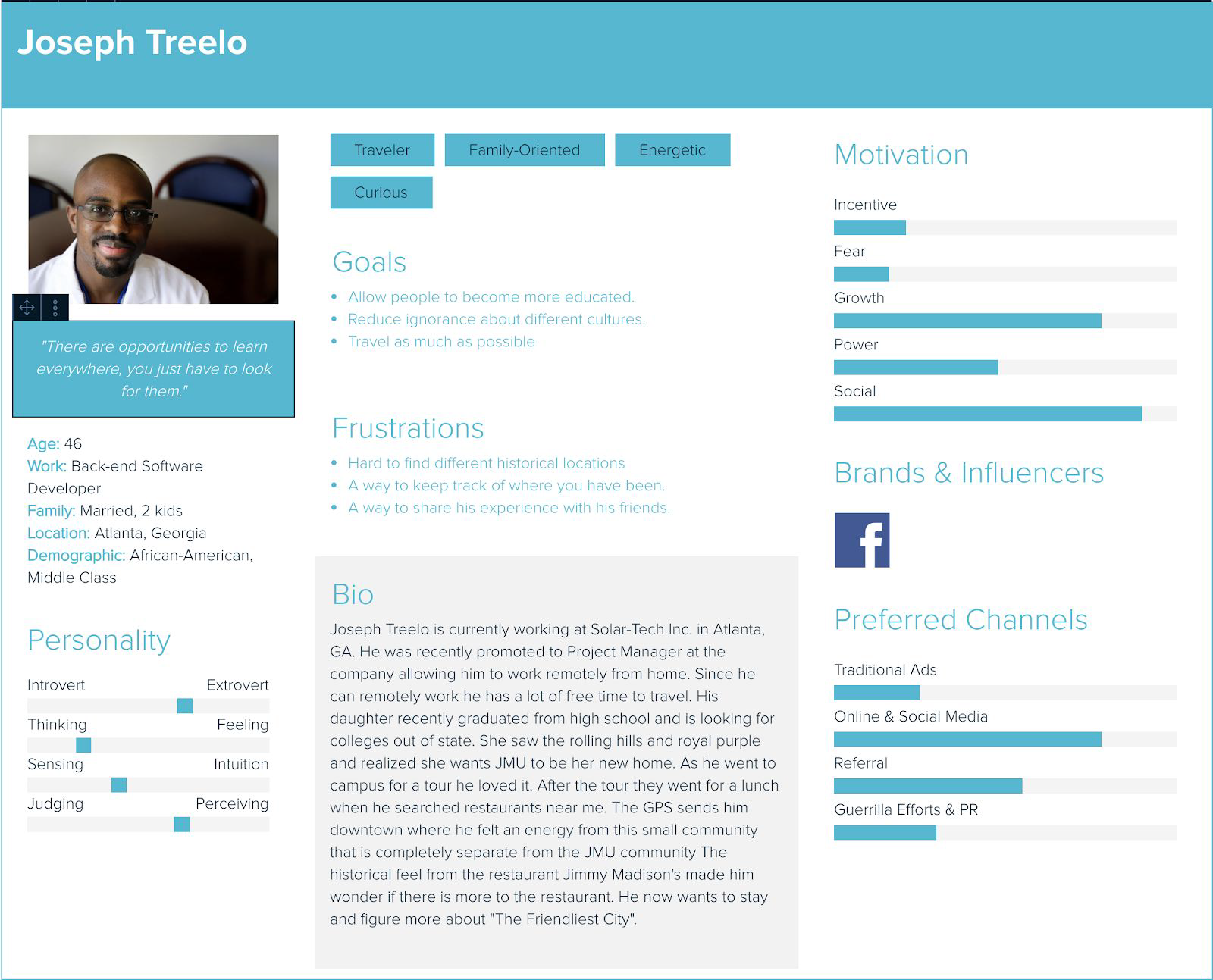
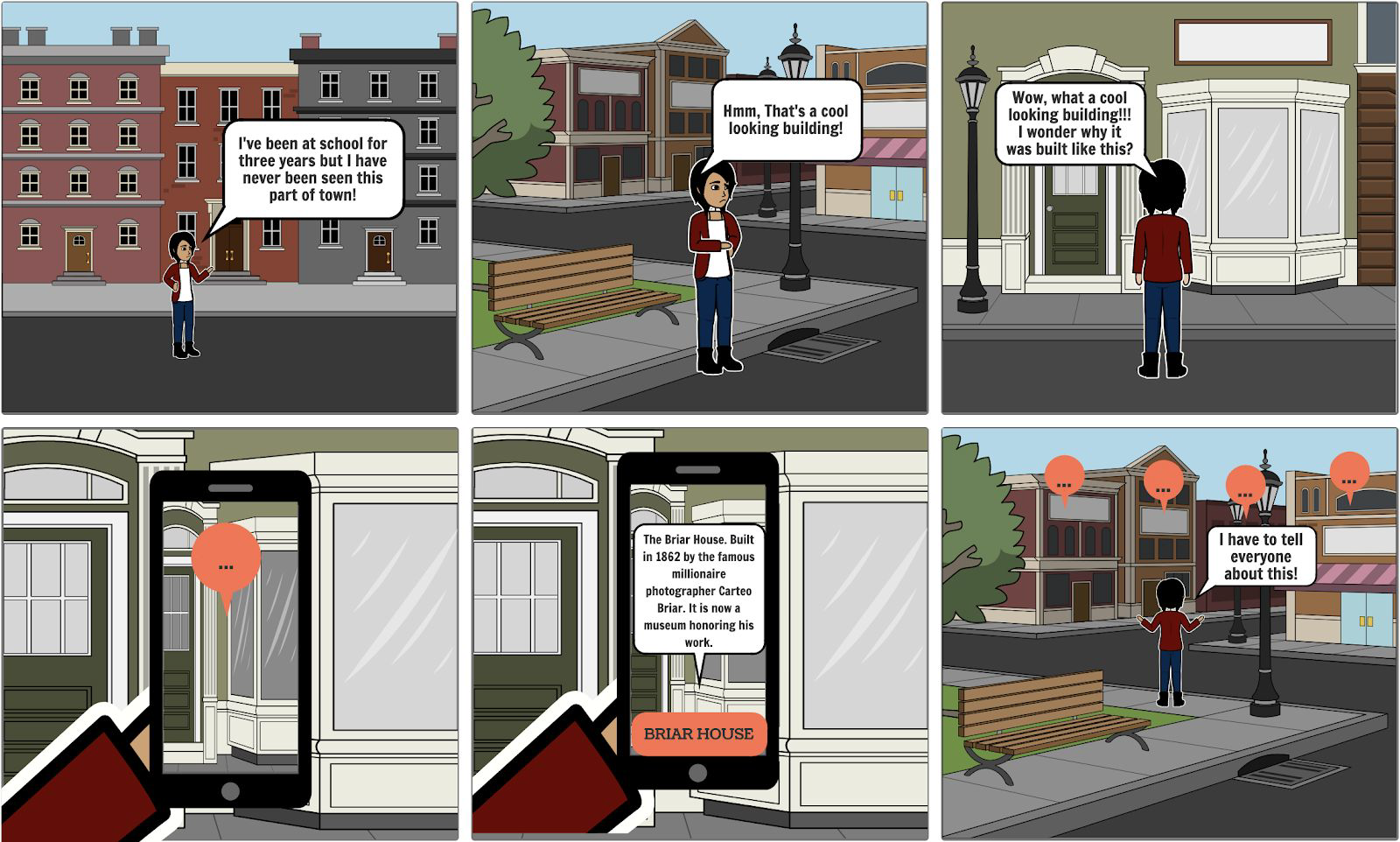
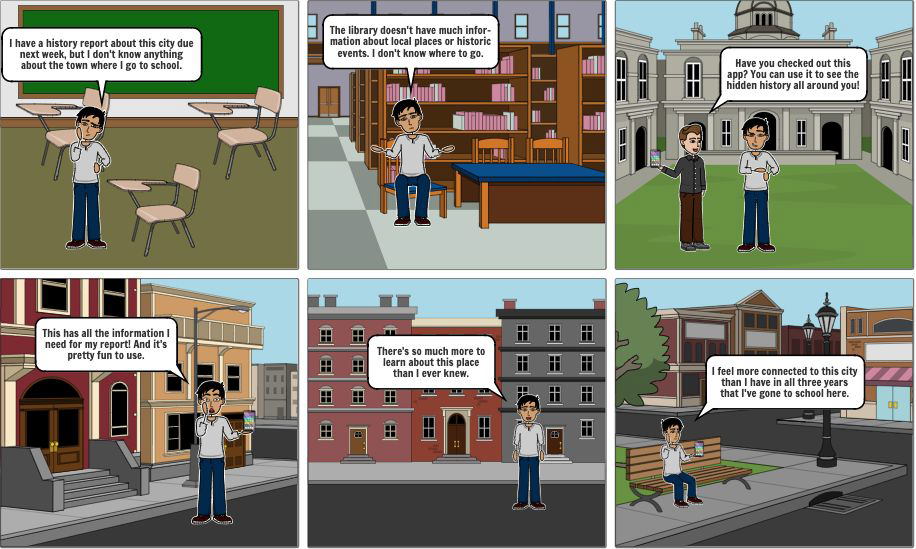
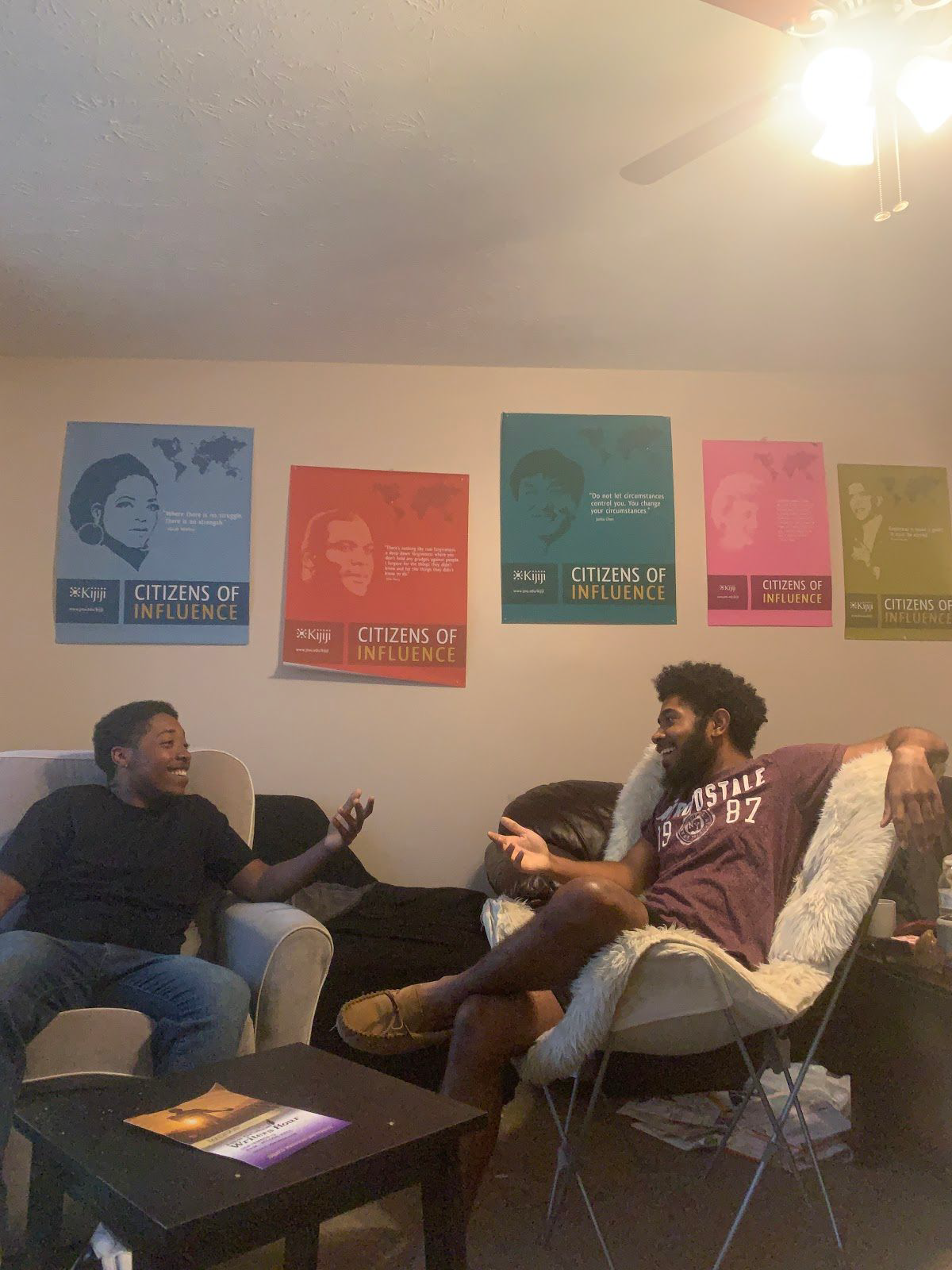
We approached this problem with in person interviews, personas, and storyboarding. This brought us to the conclusion that our main users would be tourists, history enthusiasts, and curious locals. Timestrider would be a way to find hidden gems, such as a new bar or an old historically significant factory. Due to people's natural curiosity, whether it is about how things work or what a certain thing does, we used that logic to create a product that would satisfy those interests where they see fit.
Where We Go From Here
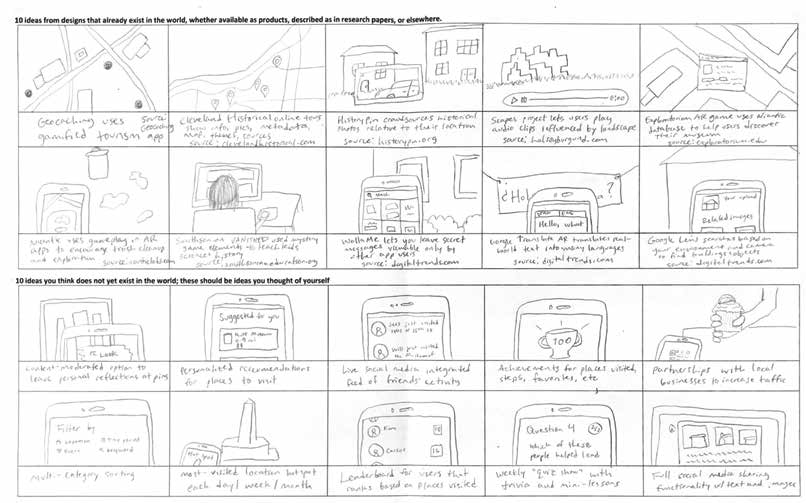
The information that we gathered made us realize that people would like more of a social media experience where they can share the places they have been and help educate people as they find amazing stories around them. We used our feedback to create design requirements and begun creating sketches using a New, Useful, and Feasible (NUF) chart, which helped us create constraints for our paper prototype.
Our Findings
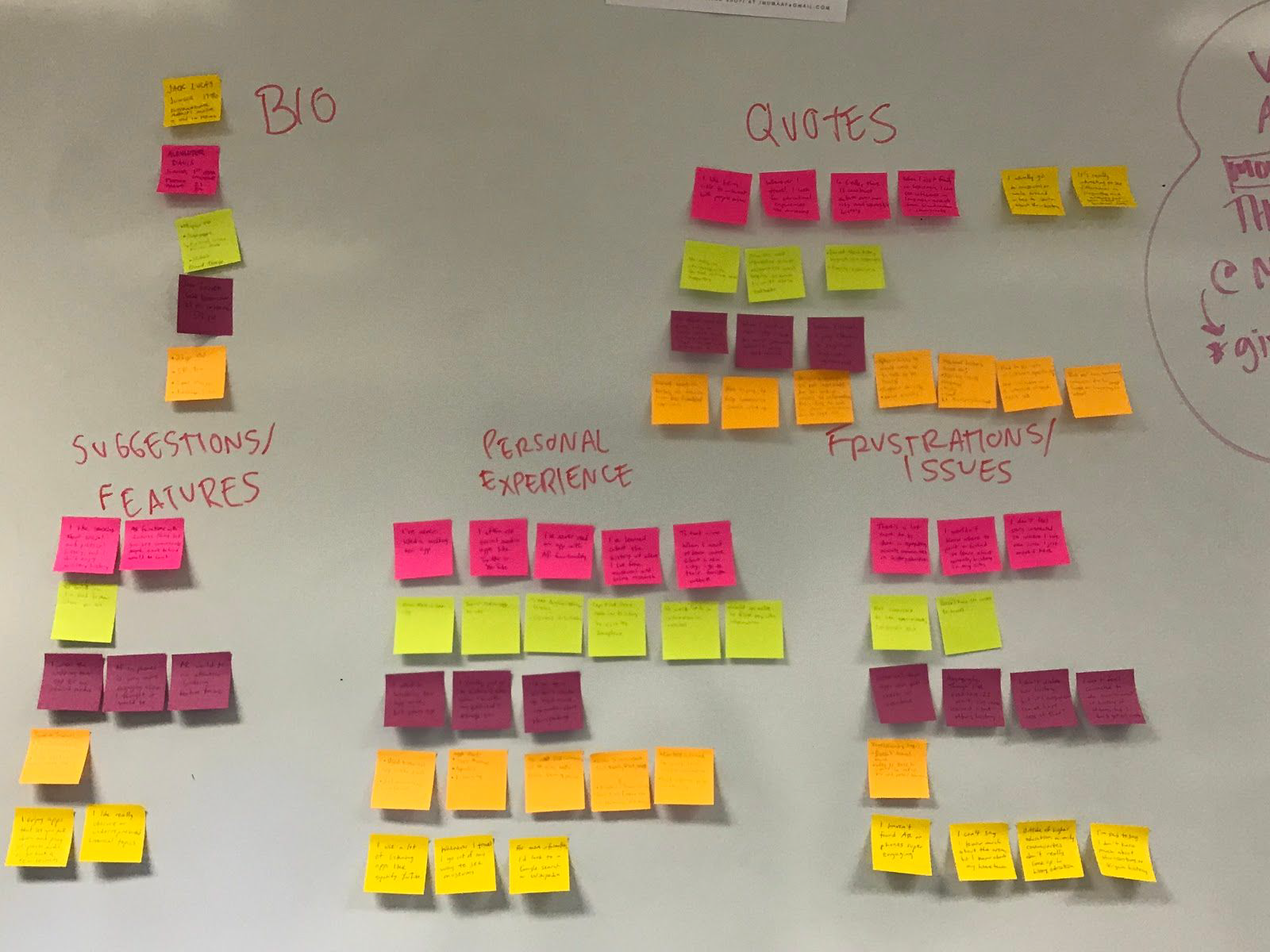
Every participant expressed interest in an app that would allow them to learn more about the history of their city and other interesting places. They also mentioned that they use social media apps more than any other. Two of our five interviewees had used a walking tour app, and had good experiences with them. Many of them had an interest in the history of minorities, but had a hard time finding relevant information. In general, our participants enjoyed learning about social and cultural history, and felt that most history education centers too much on military history at the expense of minorities history.
Design requirements
● This solution should allow the user to search historical areas by name.
● This solution should allow the user to view historical areas with AR functionality.
● This solution should allow the user to view a map of historical areas they are near.
● This solution should allow the user to comment on locations in the area.
● This solution should allow the user to take pictures of historical points and share them.
● This solution should allow the user to easily find historical locations.
● This solution should allow the user to share points of interest on social media platforms
● This solution should allow the user to learn dated information about a searched area
From Paper To Screen
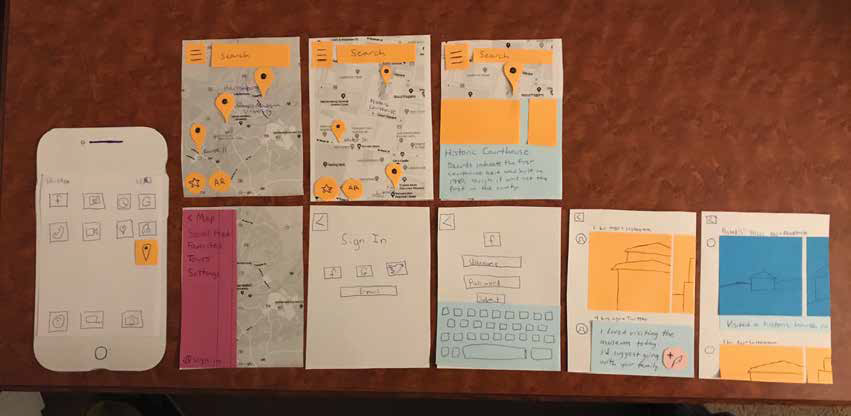
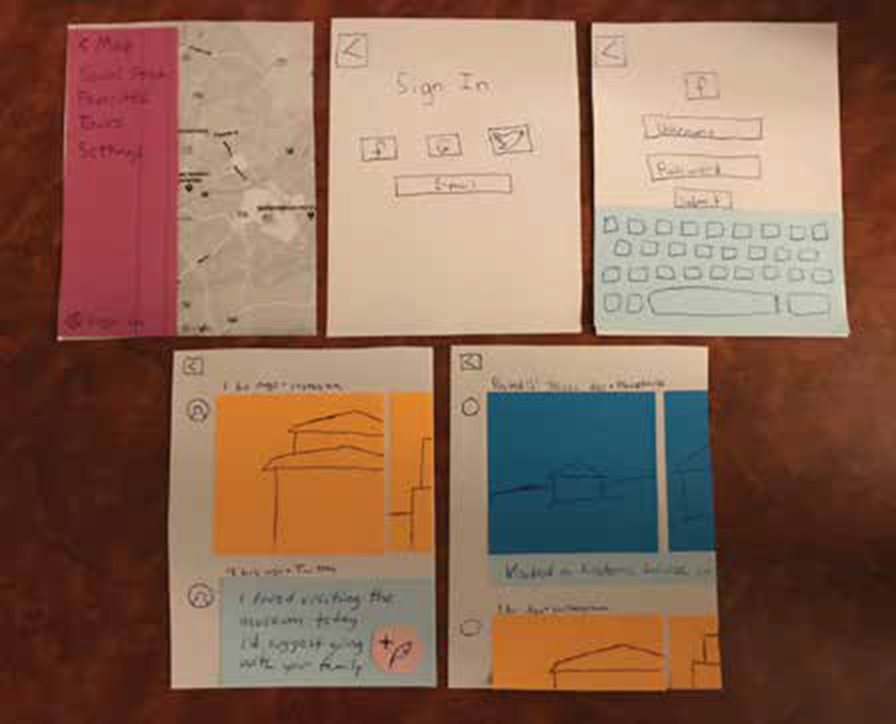
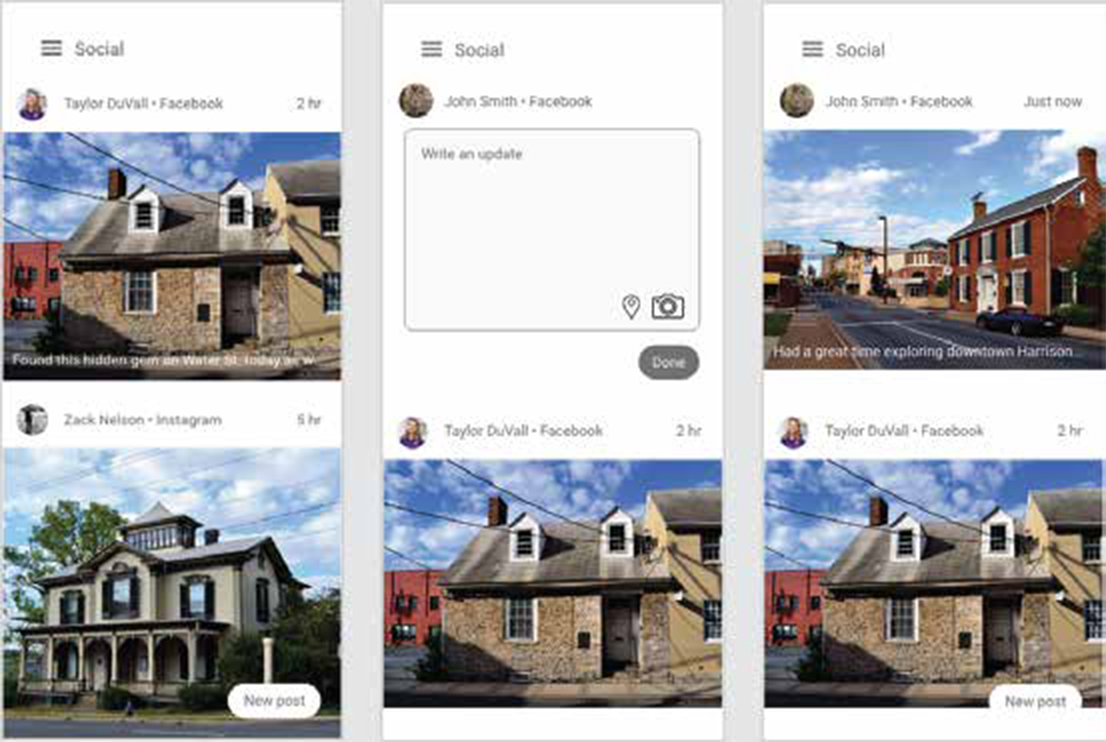
As we created the paper prototype, we realized that there are several interactions that would need testing to ensure that tasks work properly. Early on in the design process, we decided to integrate social media functionality into our prototype. One of our primary issues was deciding whether or not the Timestrider social feed should show posts from other apps, or if the feed should be exclusive to posts generated using Timestrider, while allowing sharing functionality to other apps.
Low Fidelity to High Fidelity
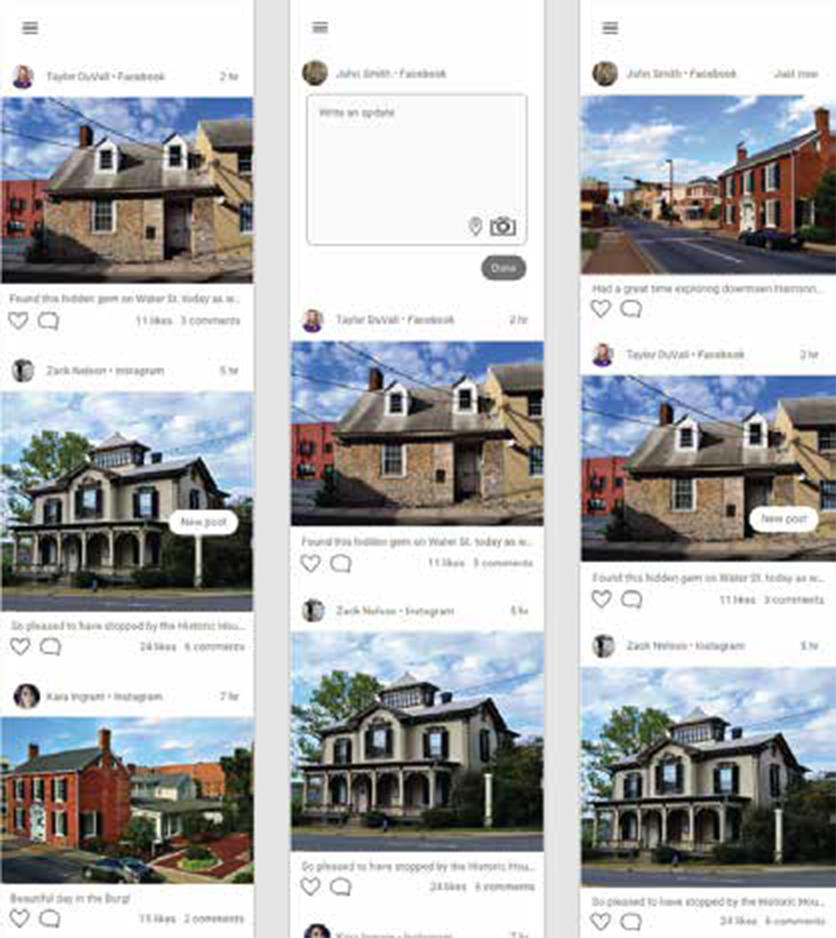
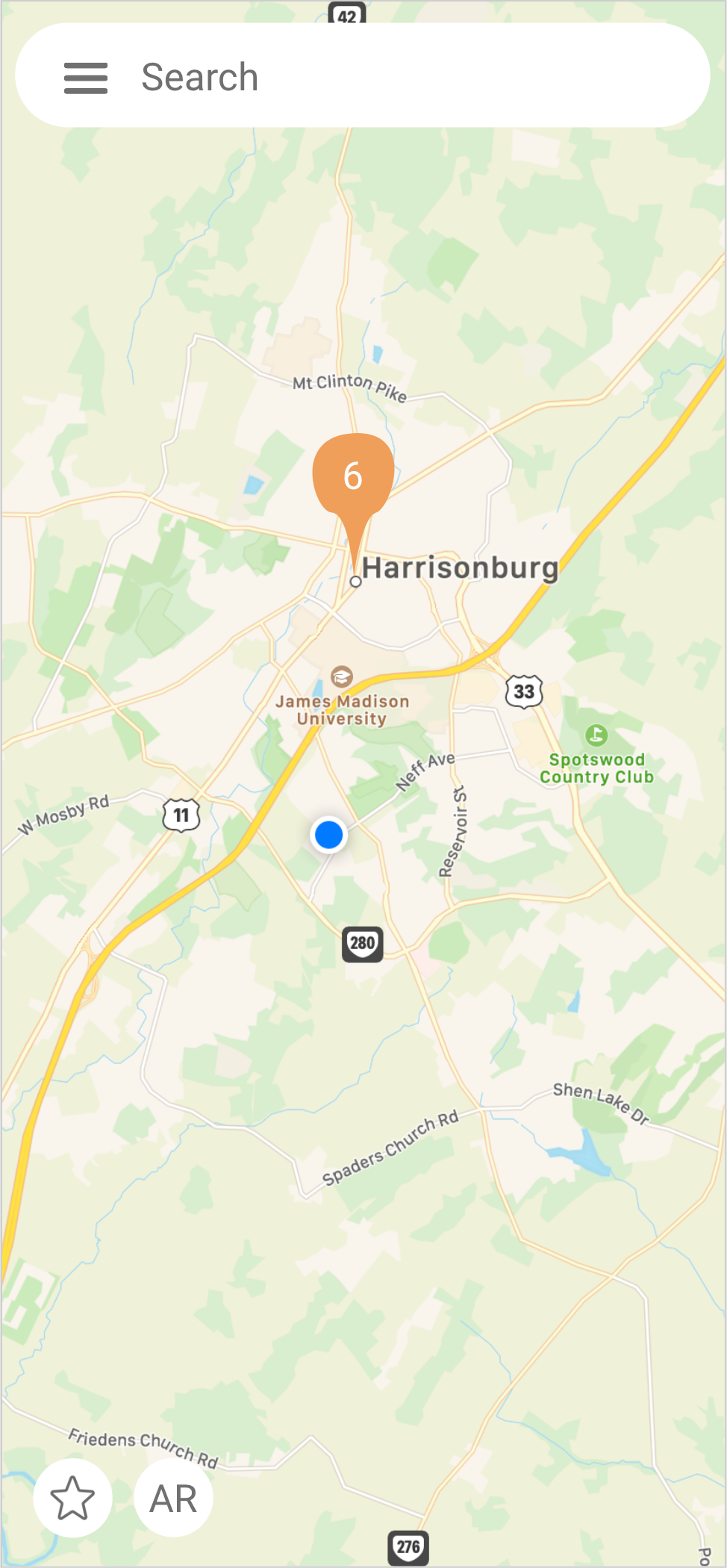
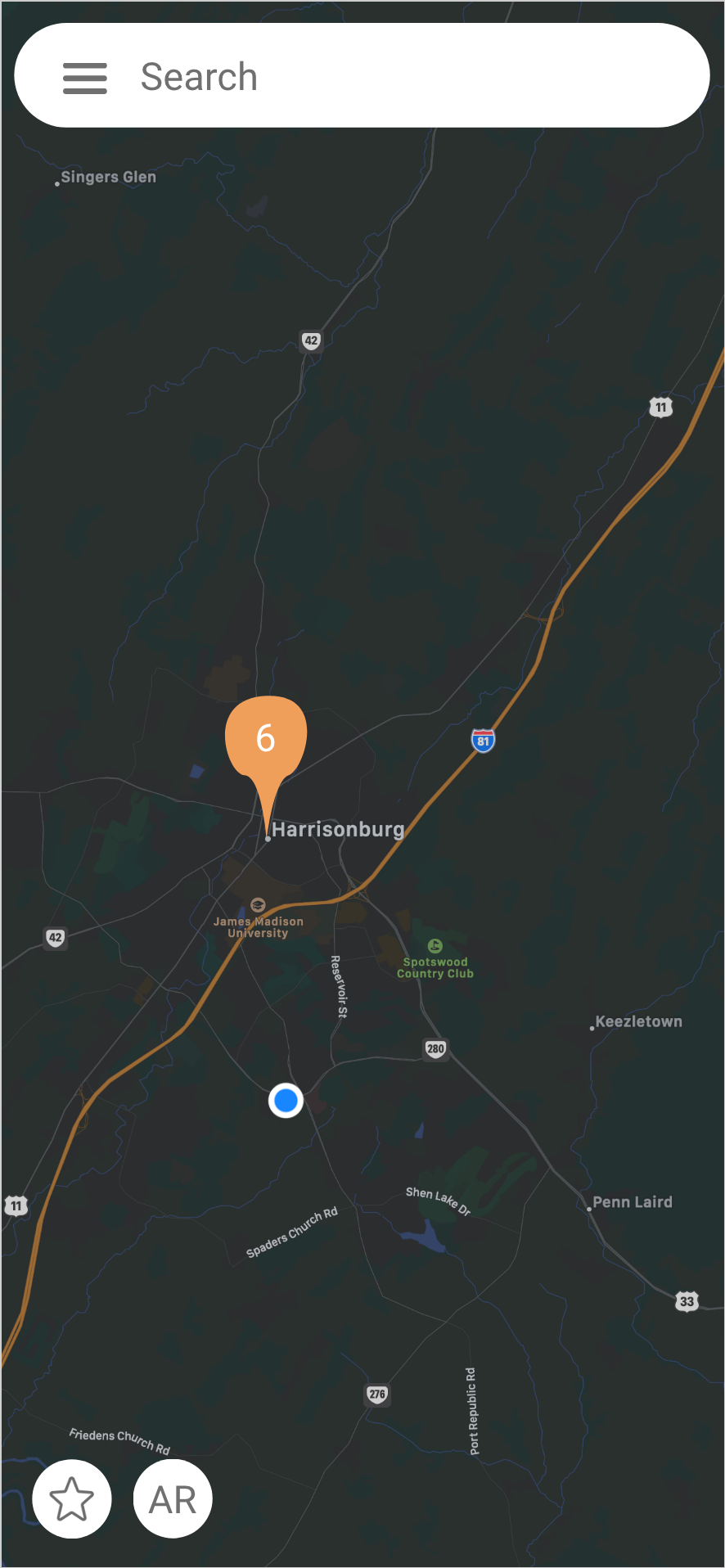
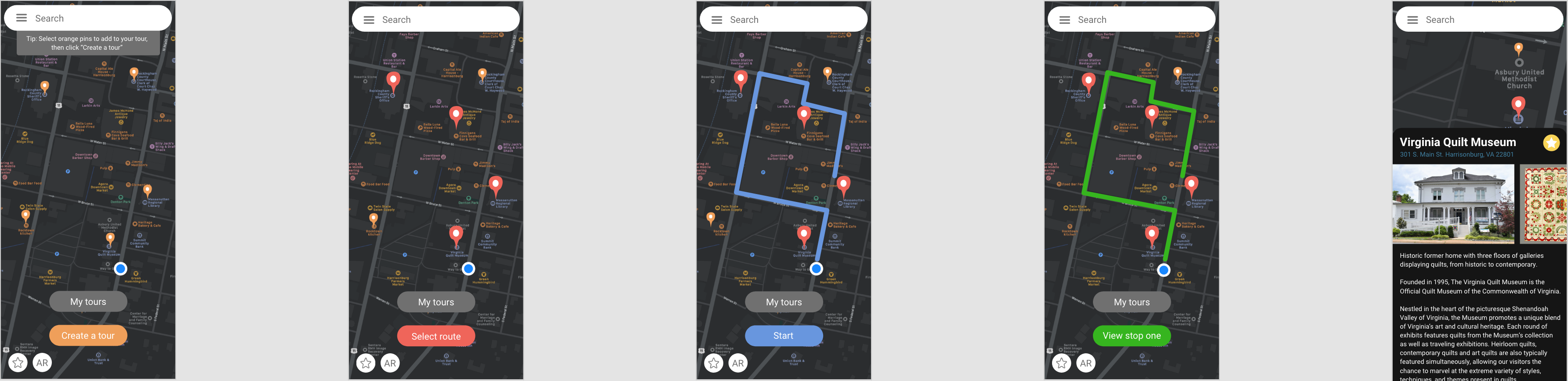
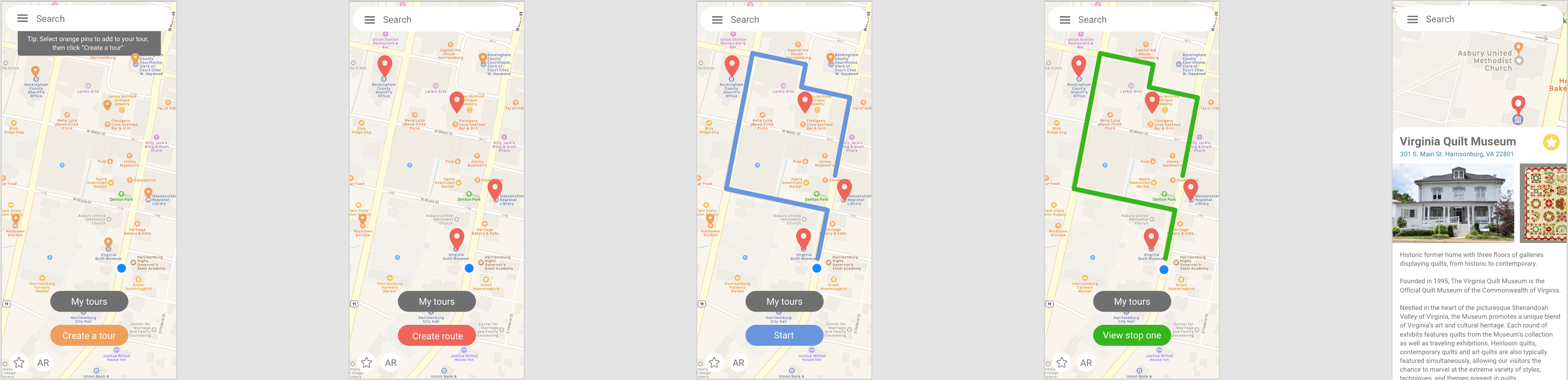
As the school year came to a close we got as much feedback as we could. The main feedback we received was to add comments and likes to the social media feed similar to Instagram. We also added a dark mode for the night owls who like to see the night life! On our main map function we added a tour mode that would allow you to pick favorite locations and it would create an optimized route for the users.
Conclusion
From user research to high-fidelity prototyping, my partner and I have learned and experimented more and more to develop a product worth sharing. Timestrider combines our passions for design and education into a cutting-edge technology that we believe is feasible and marketable to the public. Fully integrative apps that connect people to the real world are key to the future of relevance in mobile applications, and we see Timestrider at the forefront of that development. This app can reach people where they are on their phones and still engaged with their physical world. We believe that Timestrider has the potential to bring us closer to our neighbors, our communities, and the past all around us.
Want to work together?
If you like what you see and want to work together, get in touch!
Jojuandelk@gmail.com